Sasaduka
Dear All
VisitedTranslated from Japanese
Sasazuka is a neighborhood in Shibuya Ward where it meets Nakano, Suginami and Setagaya wards.
In the Edo period, there were mounds about a meter across on both the north and south sides of the Koshu Kaido, the road that runs east to west through the area. Bamboo grass (or bamboo) grew thick on top of them, and that is how the place came to be called Sasazuka, "bamboo-grass mound." It is not certain whether these mounds were the milestone mounds (ichirizuka) set up in 1604, but some old maps do mark them as such.
In the Meiji era a new waterway crossed the neighborhood. It was the new channel that carried water from the Tamagawa Aqueduct straight to the Yodobashi Water Purification Plant, and water began to flow through it in 1896. Where the channel crossed a road, bridges were built and numbered in order from the plant side, from Bridge No. 1 to Bridge No. 16.
On April 15, 1913, in the Taisho era, the Keio Electric Railway began running trains between Sasazuka and Chofu. There was no track yet between Shinjuku and Sasazuka, so that stretch was served by shared motor cars. This was the first bus service in Tokyo.
In the Showa era, when the Koshu Kaido was widened, a new water main was buried under the widened part. It was completed in 1937, and the new channel was abolished. After the war the site was turned into a road, now known as Suido Doro, the "waterworks road." The channel and its bridges are gone, but the Jugo-dori shopping street, across the Koshu Kaido from the north exit of Sasazuka Station, takes its name from Bridge No. 10 on that channel.
The bamboo-grass mounds are gone too. On the north side of the Koshu Kaido, near the Sasazuka police box, there is an information board about the Sasazuka mound site put up by the Shibuya Ward Board of Education.
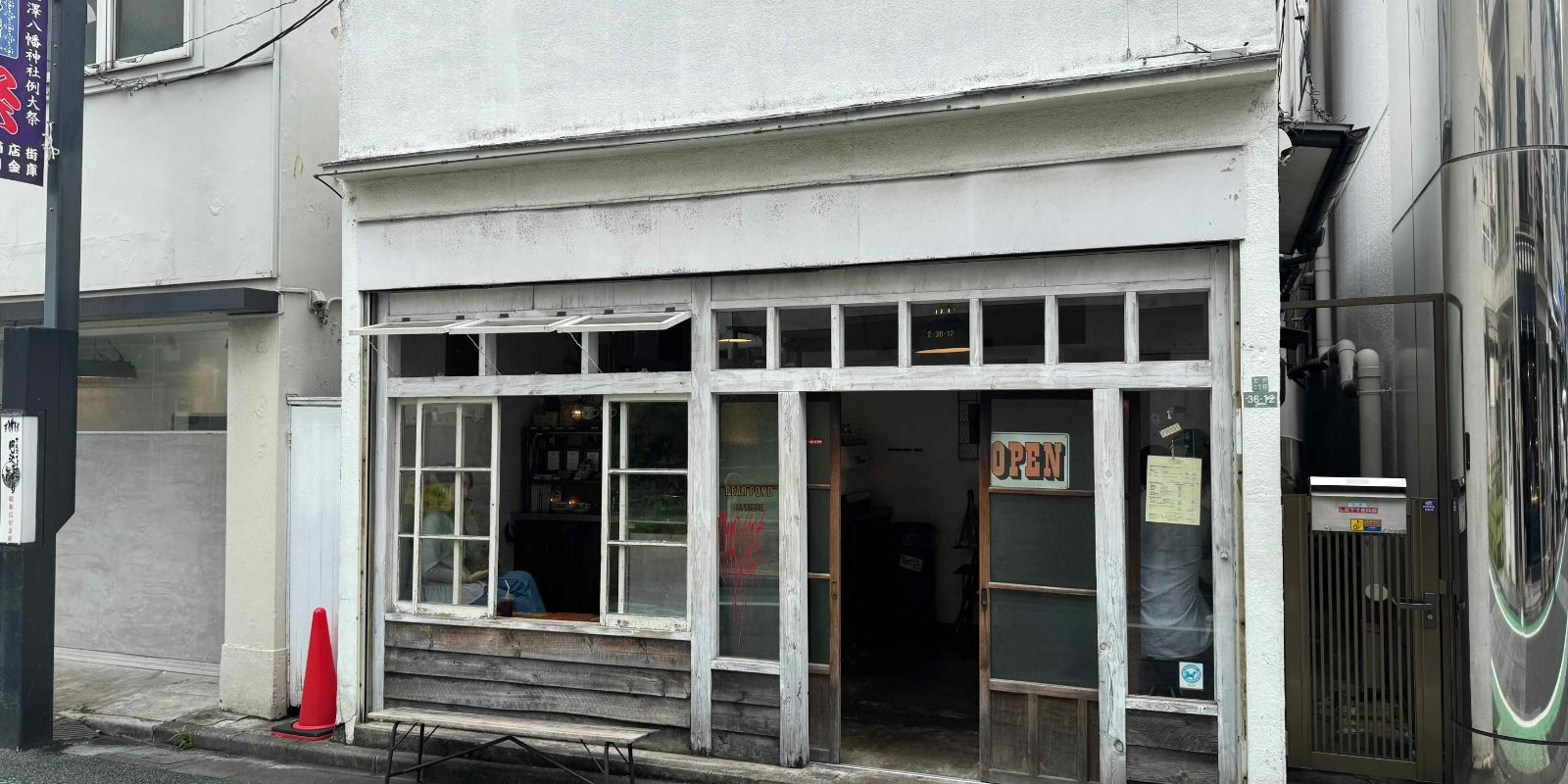
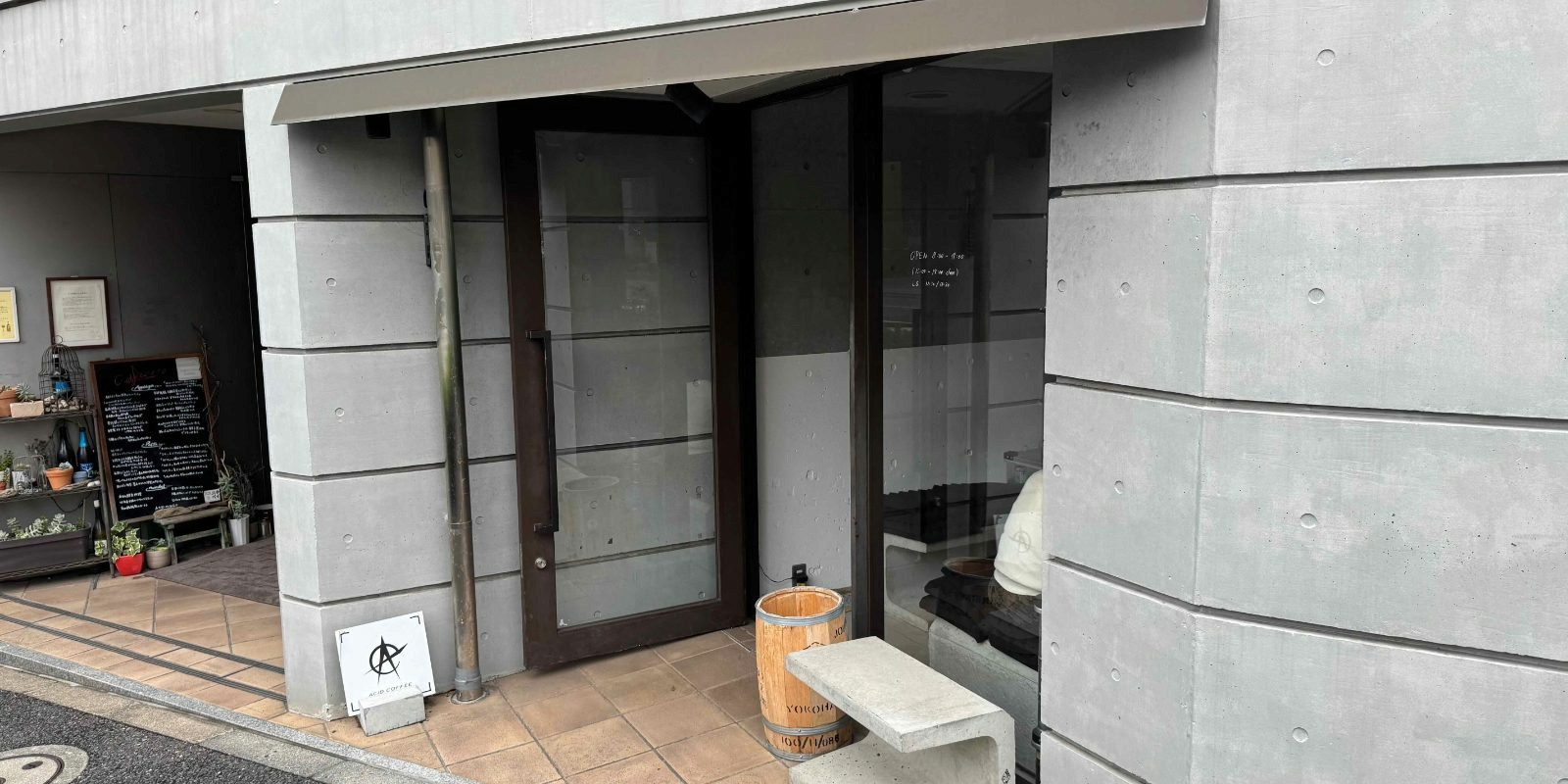
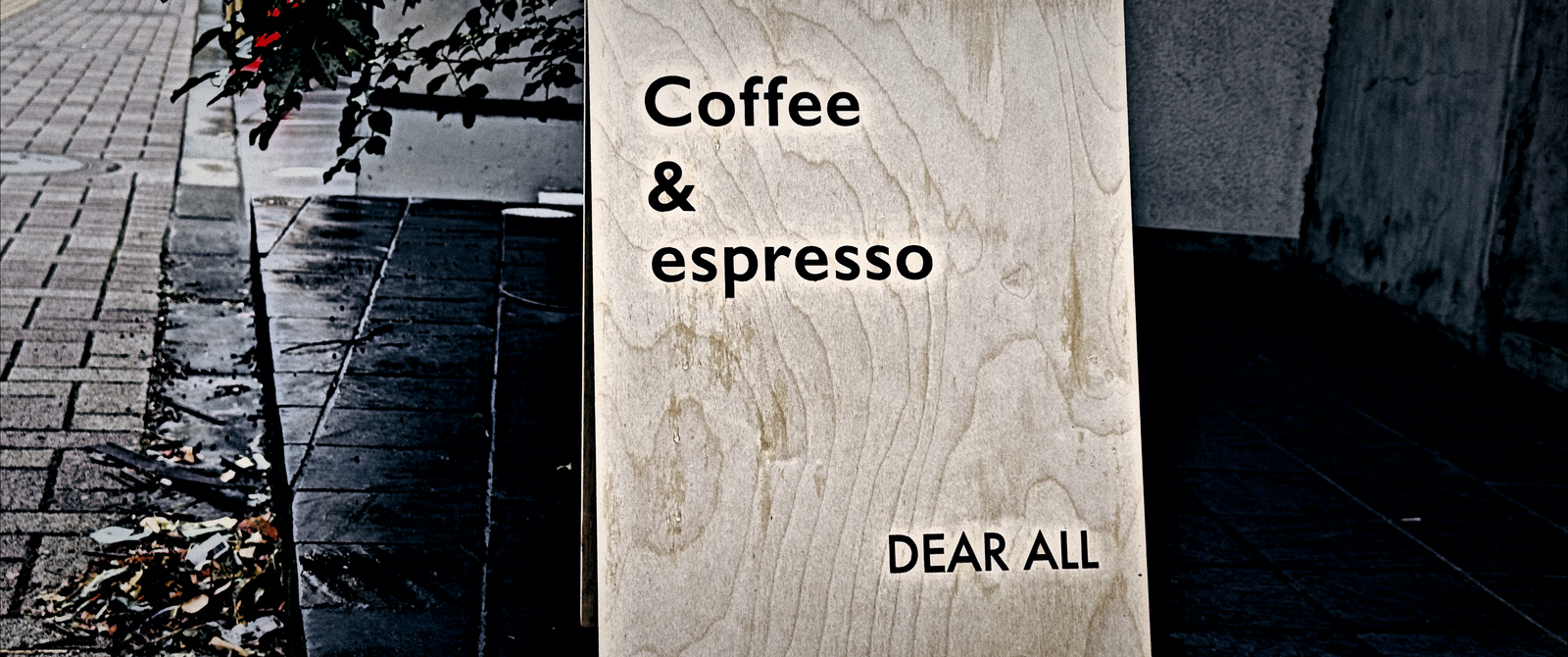
Go out to the Koshu Kaido and head west along it, and you will find a stylish coffee shop.
The shop explains its rules to you. Its opening hours are very short, and you can stay inside for no more than 60 minutes, so you need to plan your visit around that.
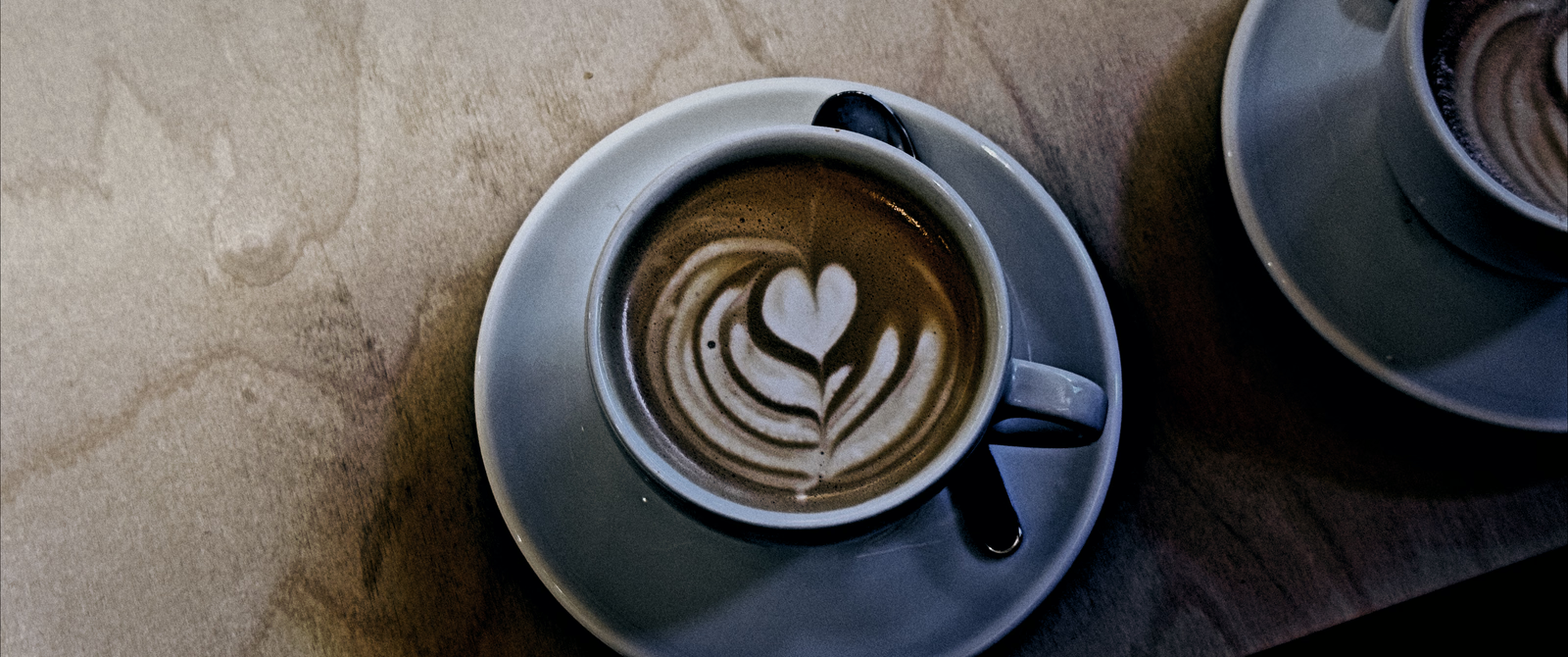
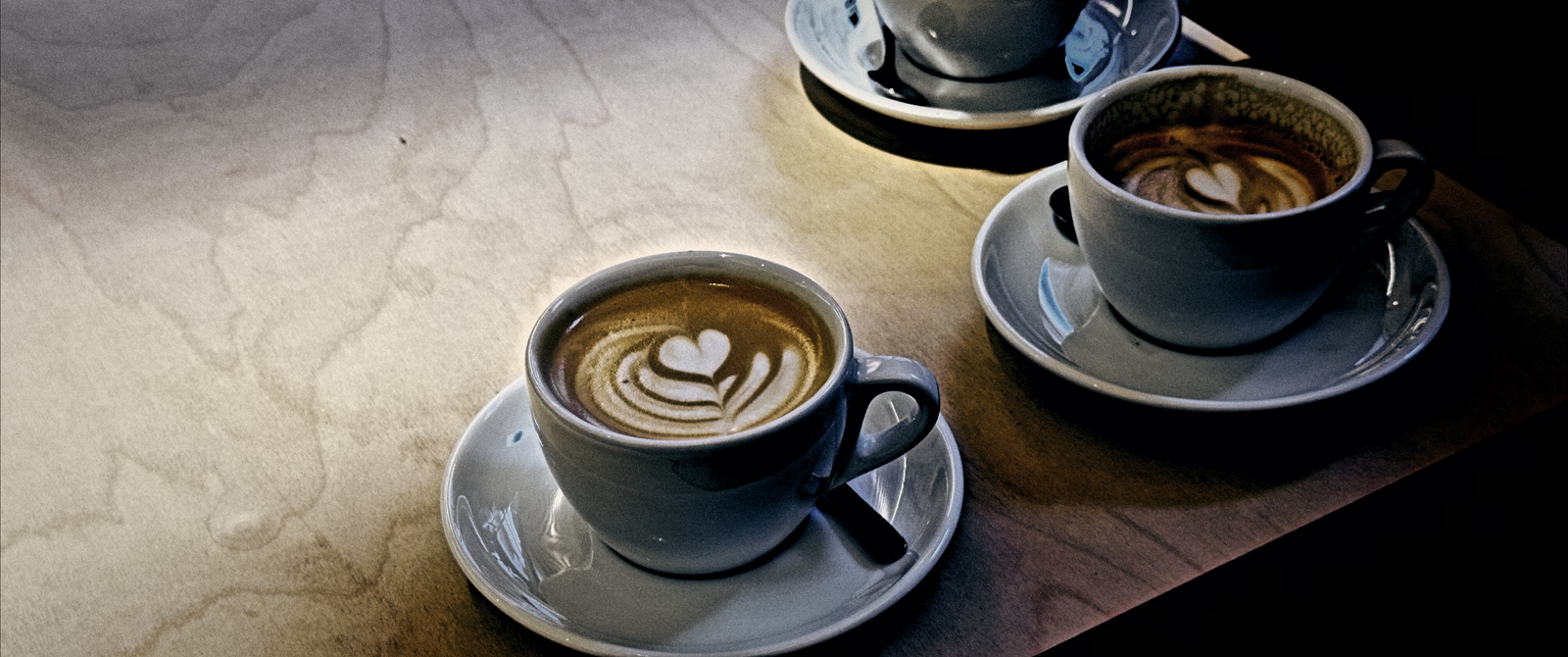
There is drip coffee, but espresso is the focus. The beans seem to come from Copenhagen, and you can buy them on their own as well. Instead of a latte, they serve a cappuccino, and that is the main drink.
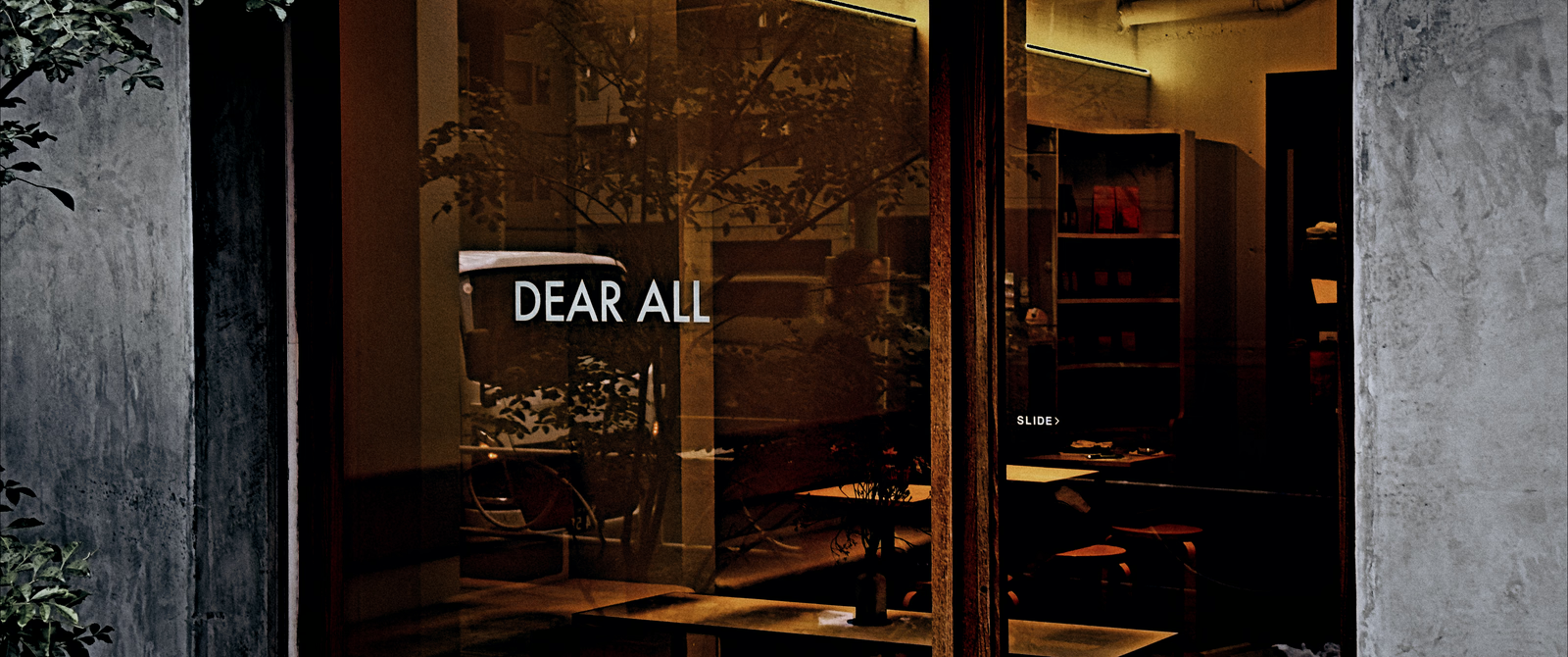
The interior is very clean and stylish, and you can relax there. Weekends seem to get very crowded. You only get 60 minutes, but it feels unhurried, and it is a shop where you can drink very good coffee.
笹塚は、渋谷区のなかで、中野区、杉並区、世田谷区と境を接するところにある街です。
江戸時代、この地を東西に通る甲州街道の南北両側に、直径1メートルほどの塚がありました。その上に笹(または竹)が生い茂っていたことから、笹塚と呼ばれるようになりました。この塚が慶長9年(1604年)に置かれた一里塚であったかどうかははっきりしませんが、一里塚の印をつけた古地図もあります。
明治に入ると、街を新しい水の道が横切ります。玉川上水の水を淀橋浄水場へまっすぐ送る新水路で、1896年に通水しました。水路が道路と交わるところには、浄水場の側から順に、第一号橋から第十六号橋までの橋が架けられました。
大正に入った1913年4月15日には、京王電気軌道が笹塚と調布のあいだで電車の営業を始めます。このとき新宿と笹塚のあいだにはまだ線路がなく、その区間は乗合自動車が結びました。これが東京で最初のバス営業でした。
昭和に入ると、甲州街道の拡幅にあわせて、広げた部分の地下に新しい導水管が埋められ、1937年にそれが完成して新水路は廃止されました。跡地は戦後に道路として整えられ、いまは水道道路と呼ばれています。水路も橋もなくなりましたが、笹塚駅の北口から甲州街道を渡った先にある十号通り商店街の名前は、この新水路の橋の名にちなんでいます。
笹の塚も、いまは残っていません。甲州街道の北側、笹塚交番のそばに、渋谷区教育委員会による笹塚跡の説明板が立っています。
その甲州街道に出て、道沿いに西へ進んでいくと、おしゃれなコーヒー屋さんがあります。
店ではルールの説明があります。開いている時間がとても短く、店内で過ごせるのは60分以内という決まりがあるので、それを逆算して訪ねる必要があります。
コーヒーは、ドリップもありますが、エスプレッソが中心です。豆はコペンハーゲンから仕入れているようで、豆だけを購入することもできます。ラテではなくカプチーノとして出していて、そちらがメインとなります。
とても綺麗でおしゃれな店内で、ゆったりと過ごすことができます。土日は大変混むようです。60分しか入れませんが、とてもゆっくりできて、おいしいコーヒーを飲めるお店です。
Sources
雑学ネタ帳「『笹塚』の地名の由来」 https://zatsuneta.com/archives/006945.html 2026-11-05
鉄道チャンネル(渋谷区教育委員会「笹塚跡」説明板の掲載) https://tetsudo-ch.com/12889244.html 2026-11-05
三井住友トラスト不動産「このまちアーカイブス 新宿 江戸・東京の生活を支えた『玉川上水』と『淀橋浄水場』」 https://smtrc.jp/town-archives/city/shinjuku/p07.html 2026-11-05
京王電鉄 会社要覧2010「会社の沿革」 https://www.keio.co.jp/company/corporate/summary/corporate_manual/pdf/2010/2010_p092_p094.pdf 2026-11-05
京王プラス「笹塚駅周辺のおすすめのカフェ5選!」 https://keioplus.com/sasazuka-cafe/ 2026-11-05
About the shopChecked on a visit
- Brewing
- Espresso-based
- Roasting
- From other roasters
- Seating
- Yes
- Beans for sale
- Yes
- Closed
- —
Where this information comes from
- Status
- Visited
- Source
- Recorded on a visit
- Visited on
Beans on offerNot enough records yet
0 records so far. Once there are 8 or more, spread over at least 3 different days, the share of origins and processes will appear here. Until then, nothing is shown.
Location
〒151-0073 東京都渋谷区笹塚1丁目59−5Open in a map app