Yoyogi-Uehara is a neighborhood of many slopes and stairways, wrapped around quiet residential streets.
In the early Meiji era, a farm was set up in this area. It passed into the hands of the diplomat Shuzo Aoki and was later taken over by Zensuke Suzuki, who owned the surrounding land. In 1913 Suzuki opened a pleasure garden here called Oyamaen and opened its Japanese garden, with its waterfall, to the public. Today's place name Oyamacho comes from this Oyamaen. Oyamaen later came into the possession of Yorimichi Tokugawa, the 15th head of the Kishu Tokugawa family. That Oyamacho is still sometimes called "Tokugawa-yama" is a trace of those days.
After Yorimichi let the land go, in the early Showa era the area from Nishihara, northeast of the station, to Oyamacho was subdivided by Kamesaburo Yamashita, founder of Yamashita Kisen, and the Hakone Land Company, and it turned into housing lots. In 1938 the Tokyo Mosque, forerunner of today's Tokyo Camii, was built in the neighborhood.
During the war the residential area escaped the air raids, but because it was full of large Western-style mansions, many of the buildings were requisitioned by the American occupation forces after the war. Tokyo Camii was rebuilt in its present form in 2000 and is now the largest mosque in Japan.
The station opened in 1927, at the same time as the Odakyu Line, under the name Yoyohata-Uehara. The name came from its location at the time, Ōaza Uehara, Yoyohata Village, Toyotama District, Tokyo Prefecture, and it was changed to the current name in 1941. For a long time it was a small station served only by local trains, but in 1978 the Chiyoda Line was extended here and through service with the Odakyu Line began, making it a transfer station where express and semi-express trains also stop.
Around the station, the land is low along the tracks, with uphill slopes running north and south from there. Shopping streets sit on both sides of the station, many of them lined with independently run restaurants, and a short way from the bustle, quiet residential streets spread out.
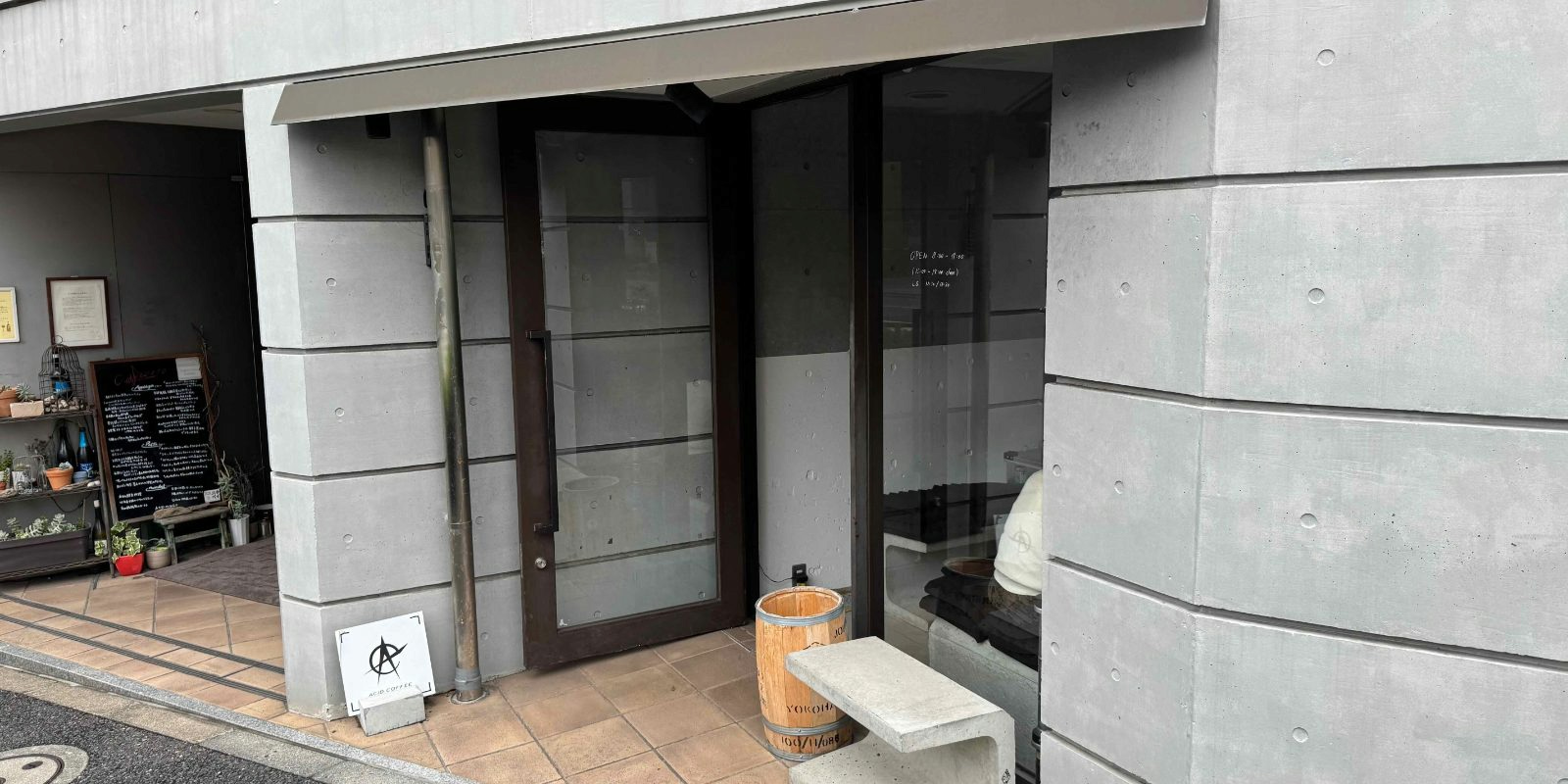
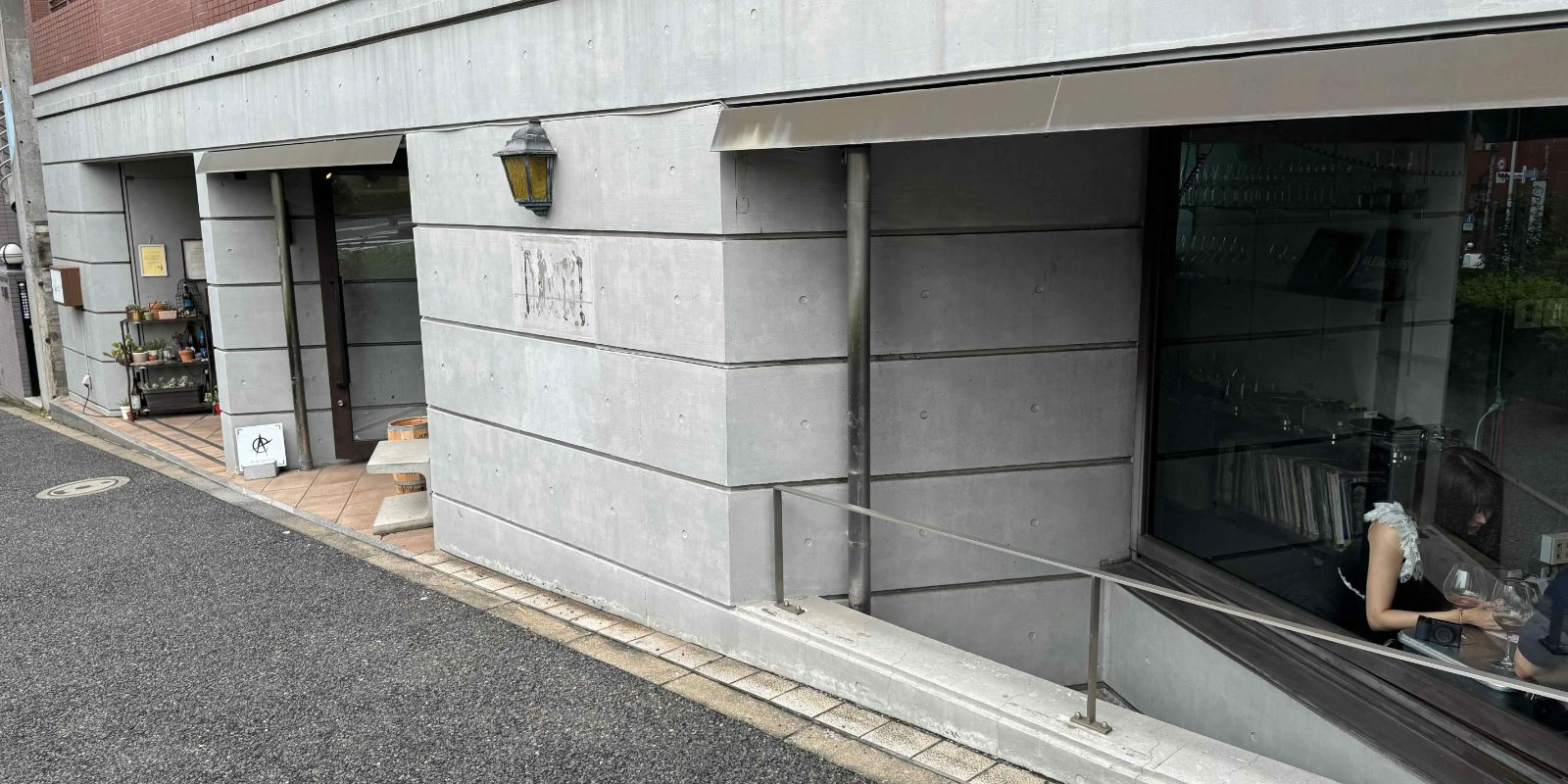
Within walking distance of that station, in a very convenient spot, is ACID COFFEE TOKYO.
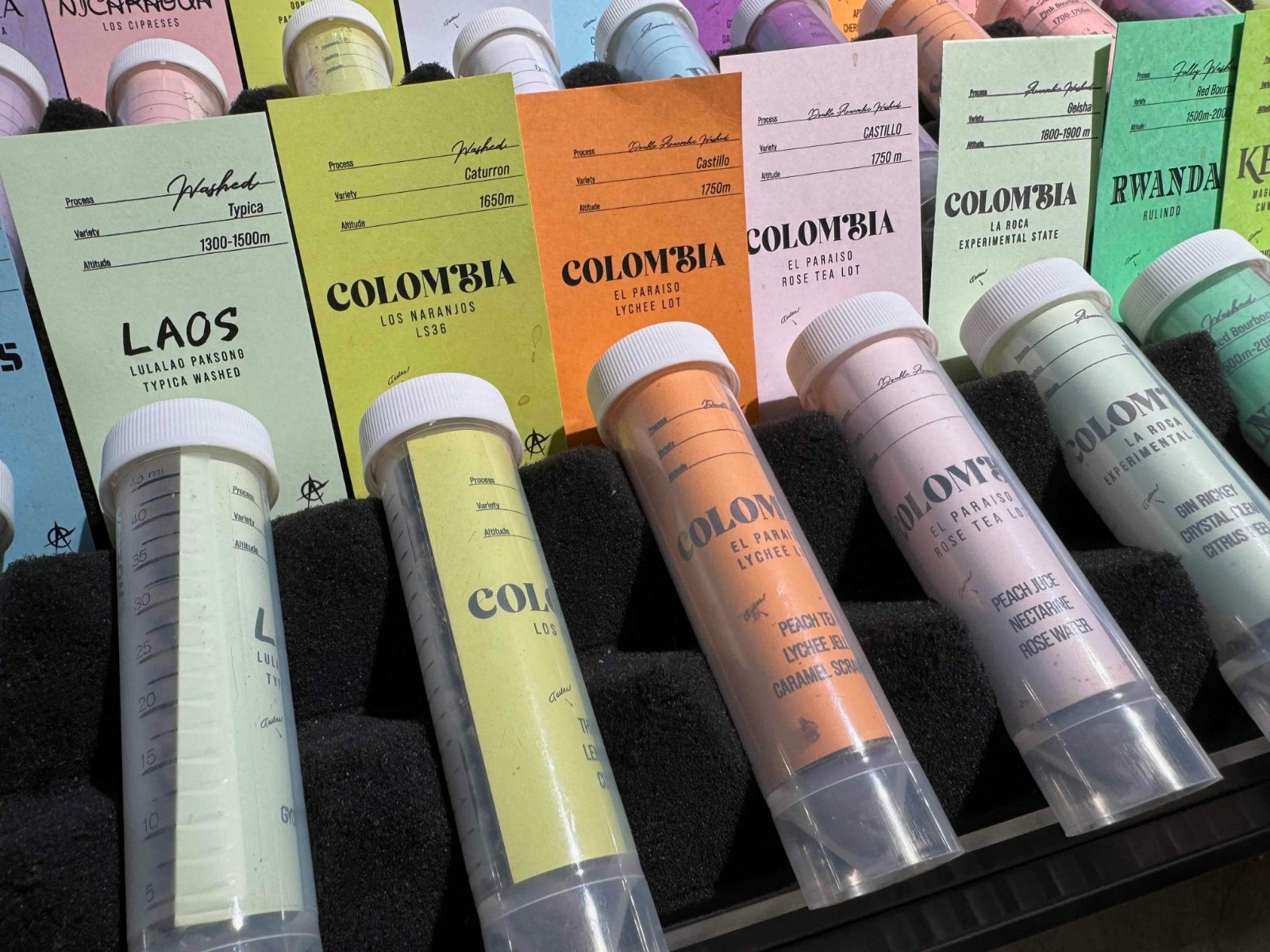
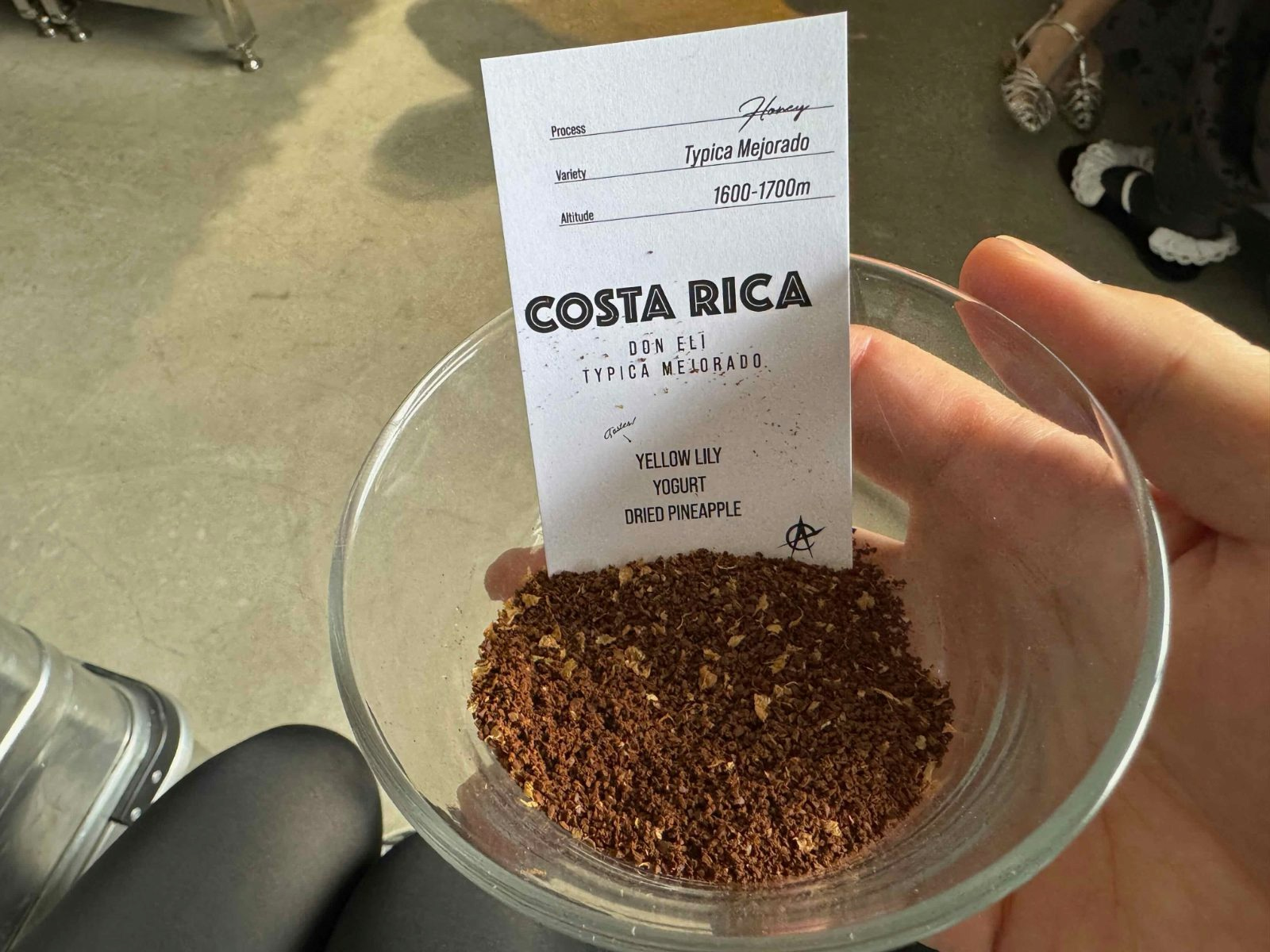
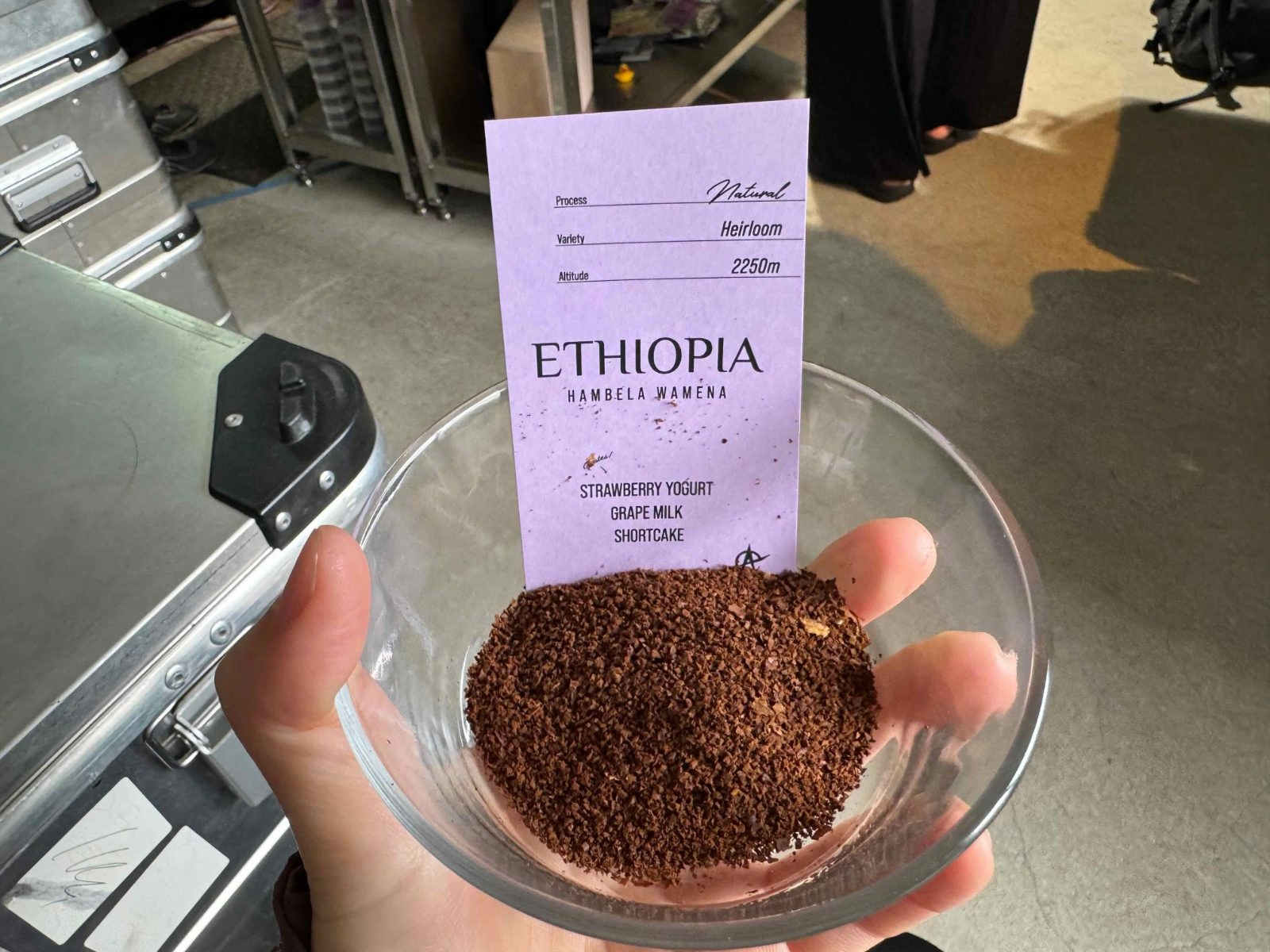
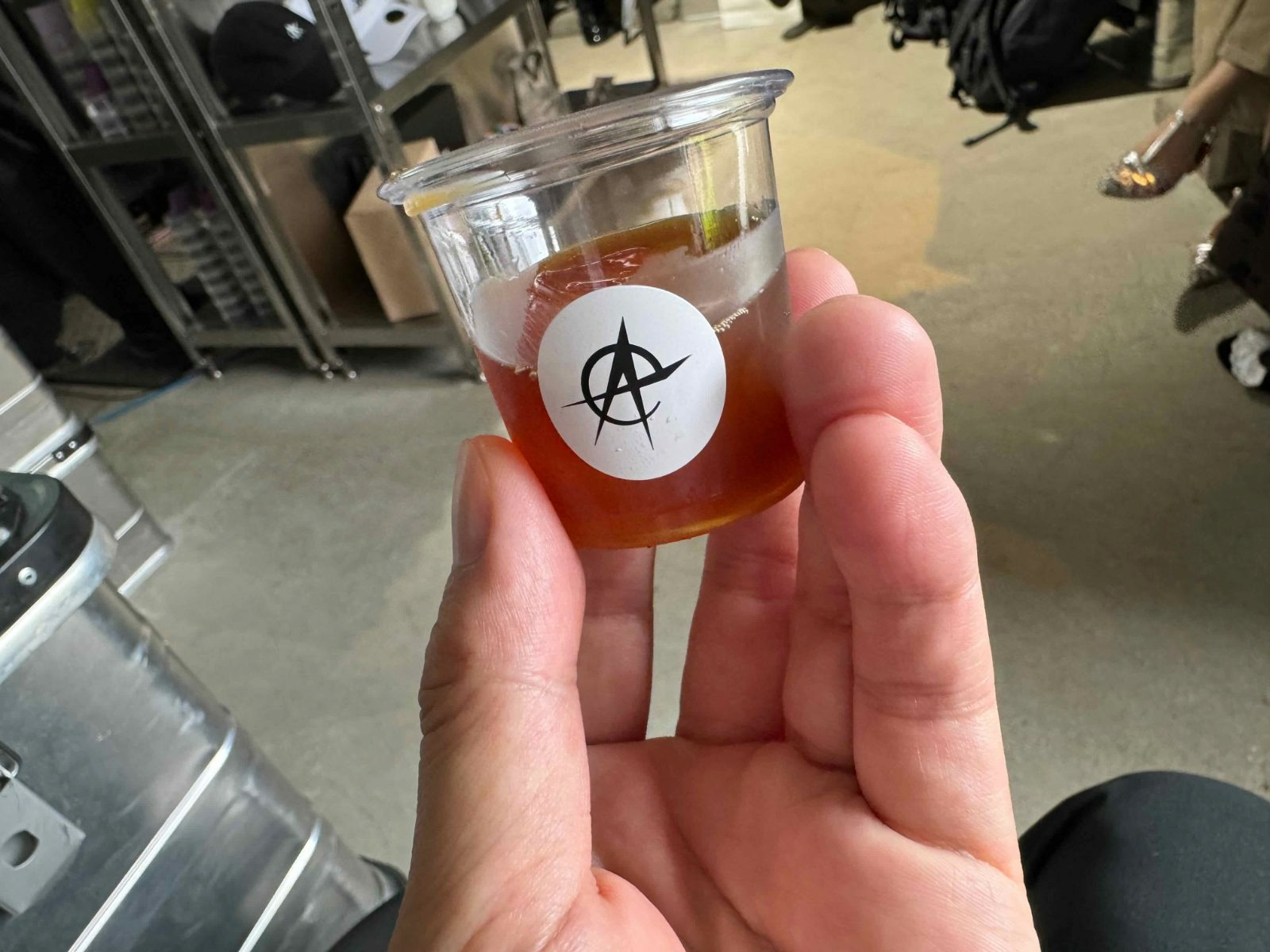
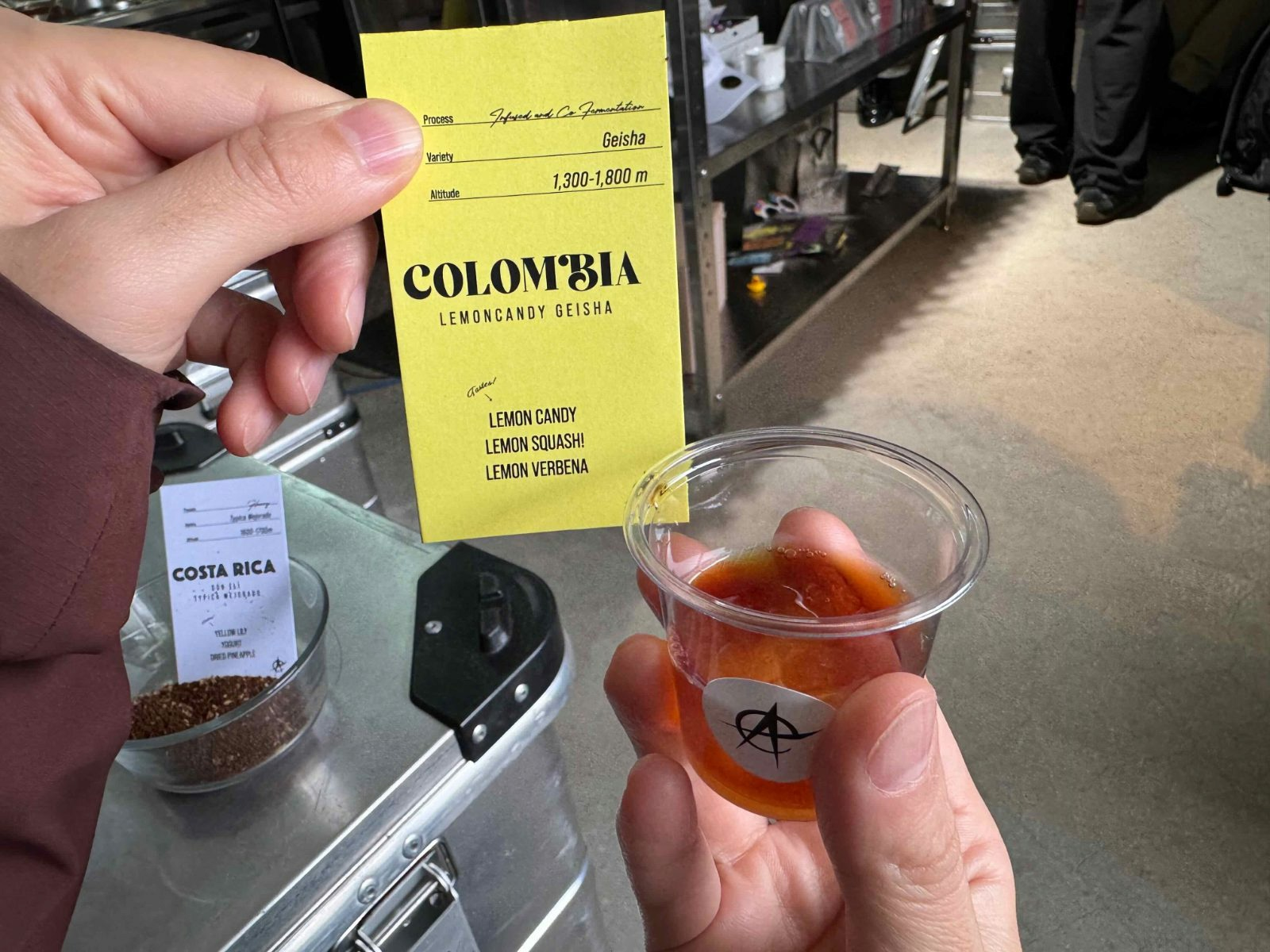
Inside a concrete building, in a small, cozy space, many customers stand in line. When you go in, you find rows of coffee beans in containers like test tubes; you check the aromas, choose beans with a flavor you like, and order. The beans you choose are brewed by drip right in front of you. This way of serving is truly unique.
You wait for your cup while chatting with the staff. For some reason, the chairs in the shop are lined with soundproofing cushions like those in a music studio. Drinking coffee poured into a wine glass, you look at the card for each bean and the colors chosen to match its image.
Many customers come in search of a delicious cup of their own, enjoy their coffee one cup at a time, and can buy beans to take home if they like them. It is a coffee shop with a new form of expression, where you can enjoy the coffee itself as a way of communicating.
1 record so far. Once there are 8 or more, spread over at least 3 different days, the share of origins and processes will appear here. Until then, nothing is shown.