Why Is Coffee from Yunnan, China, Said to Taste "Like Alcohol"?
At SCAJ2026, Asia's largest specialty coffee trade show, we asked Sayaka Rokushima, a barista at KOUNOU COFFEE, which runs its own farm in Yunnan Province, why Yunnan coffee is said to taste "like alcohol."
Translated from Japanese
GUEST
Sayaka Rokushima
Barista, KOUNOU COFFEE (Kounou Co., Ltd.)
Why Is Coffee from Yunnan, China, Said to Taste "Like Alcohol"?
SCAJ2026, Asia's largest specialty coffee trade show, was held recently. This year's theme was "Brew the Future." This time, we bring you interviews with the exhibitors.
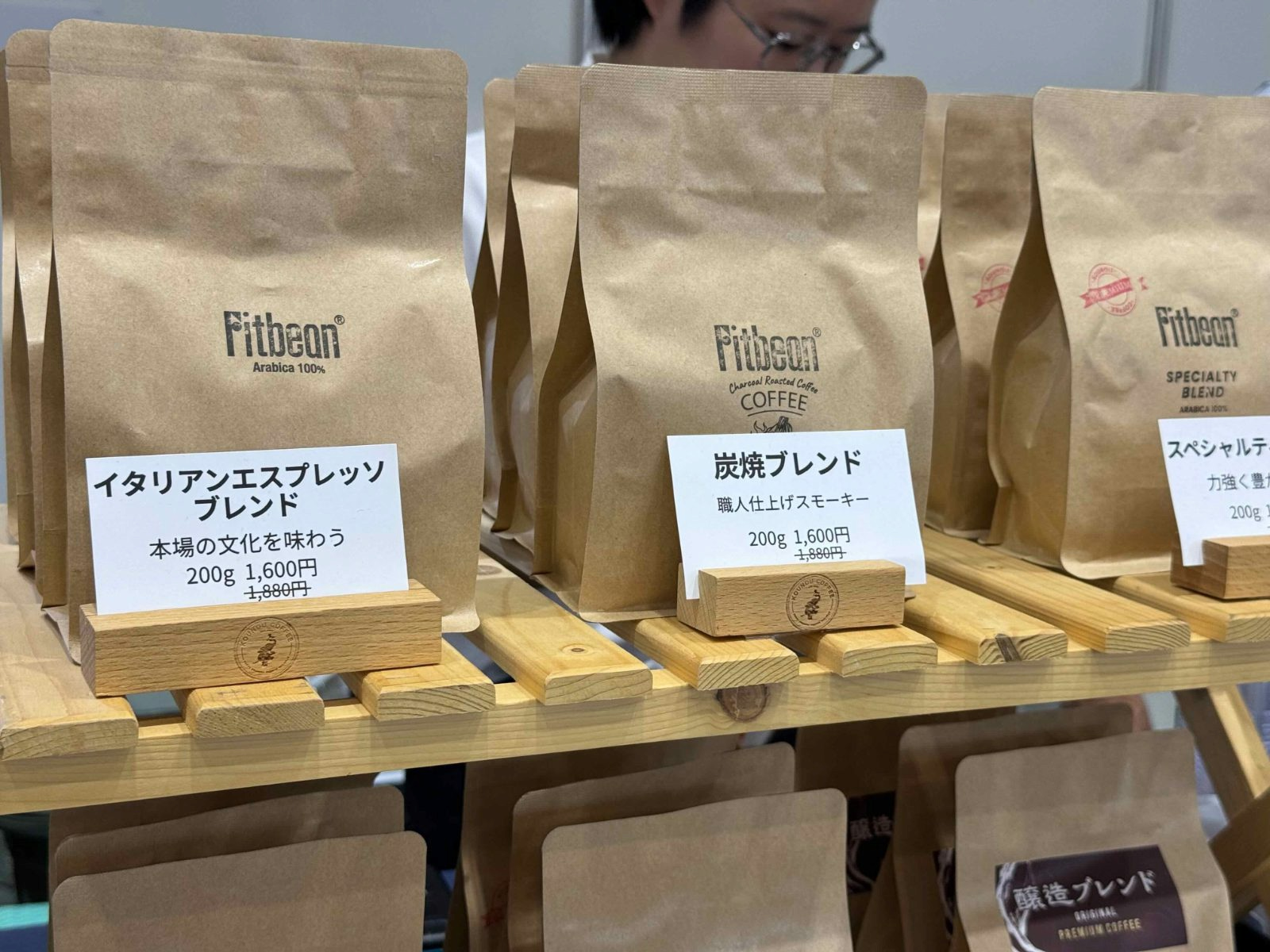
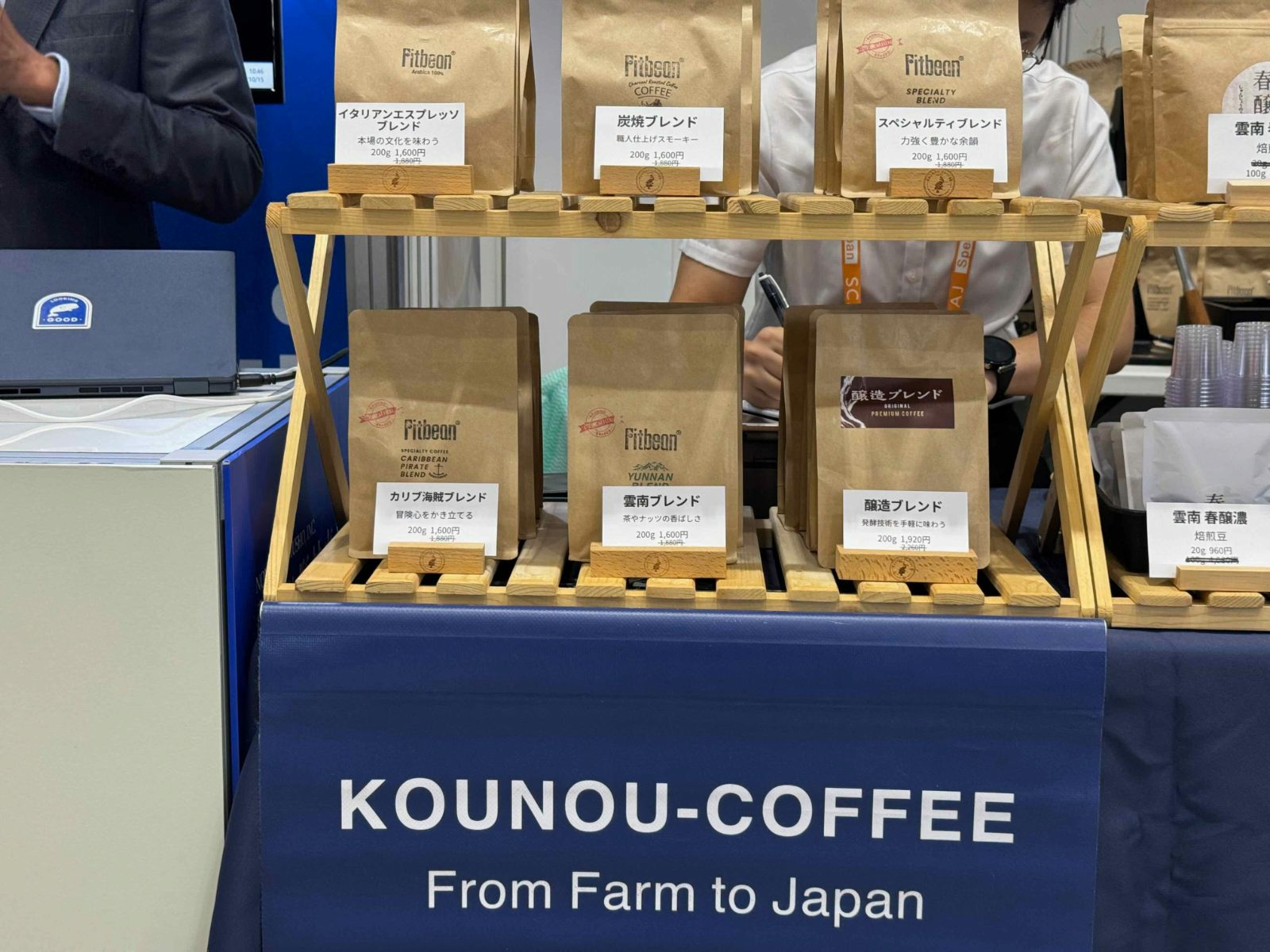
This time we visited the booth of KOUNOU COFFEE (Kounou Co., Ltd.), based in Higashimikuni, Osaka. We spoke with barista Sayaka Rokushima about how Yunnan coffee came to be and about its distinctive flavor.
▼A company-owned farm in Yunnan
――So these are coffee beans from China?
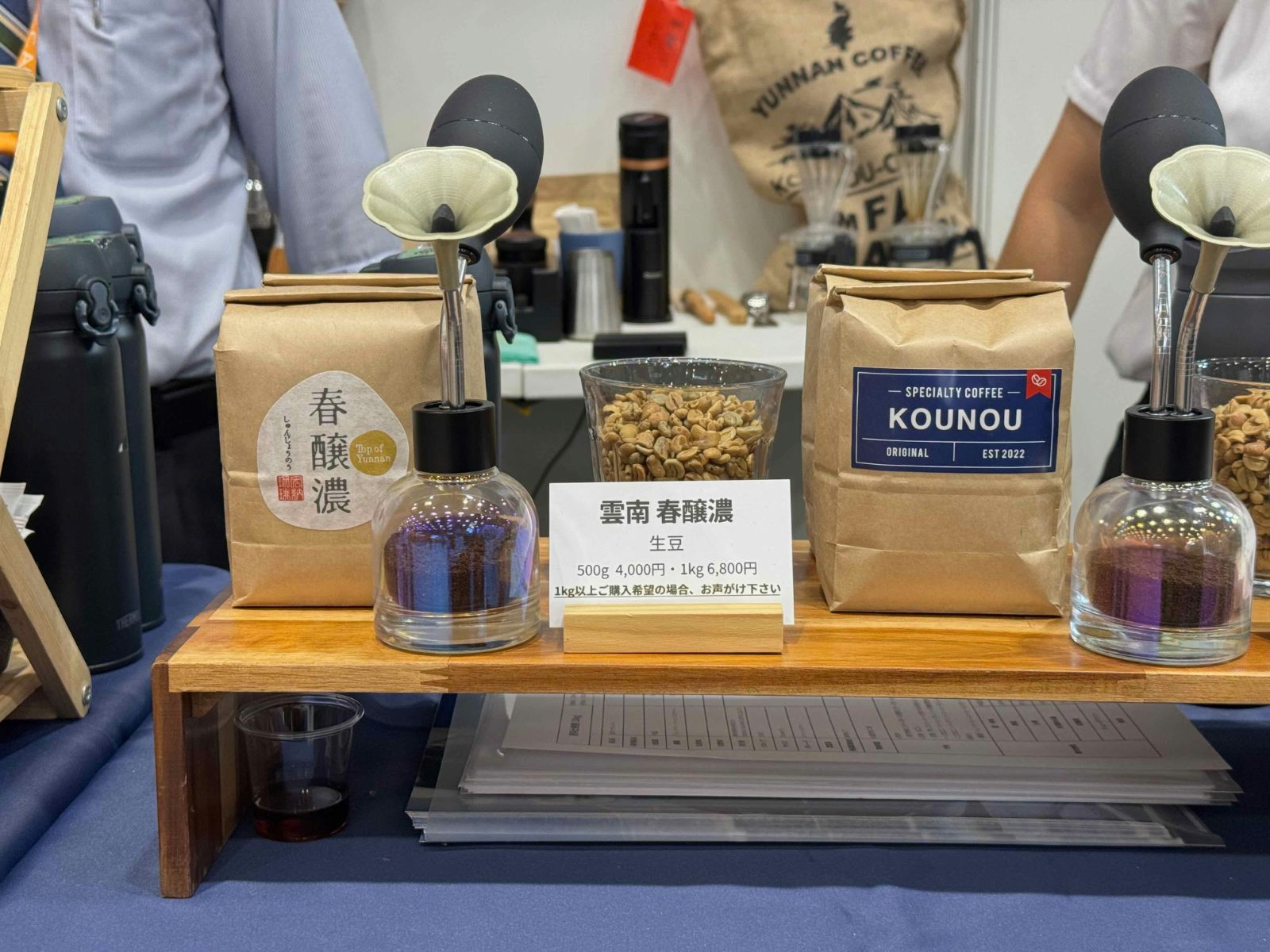
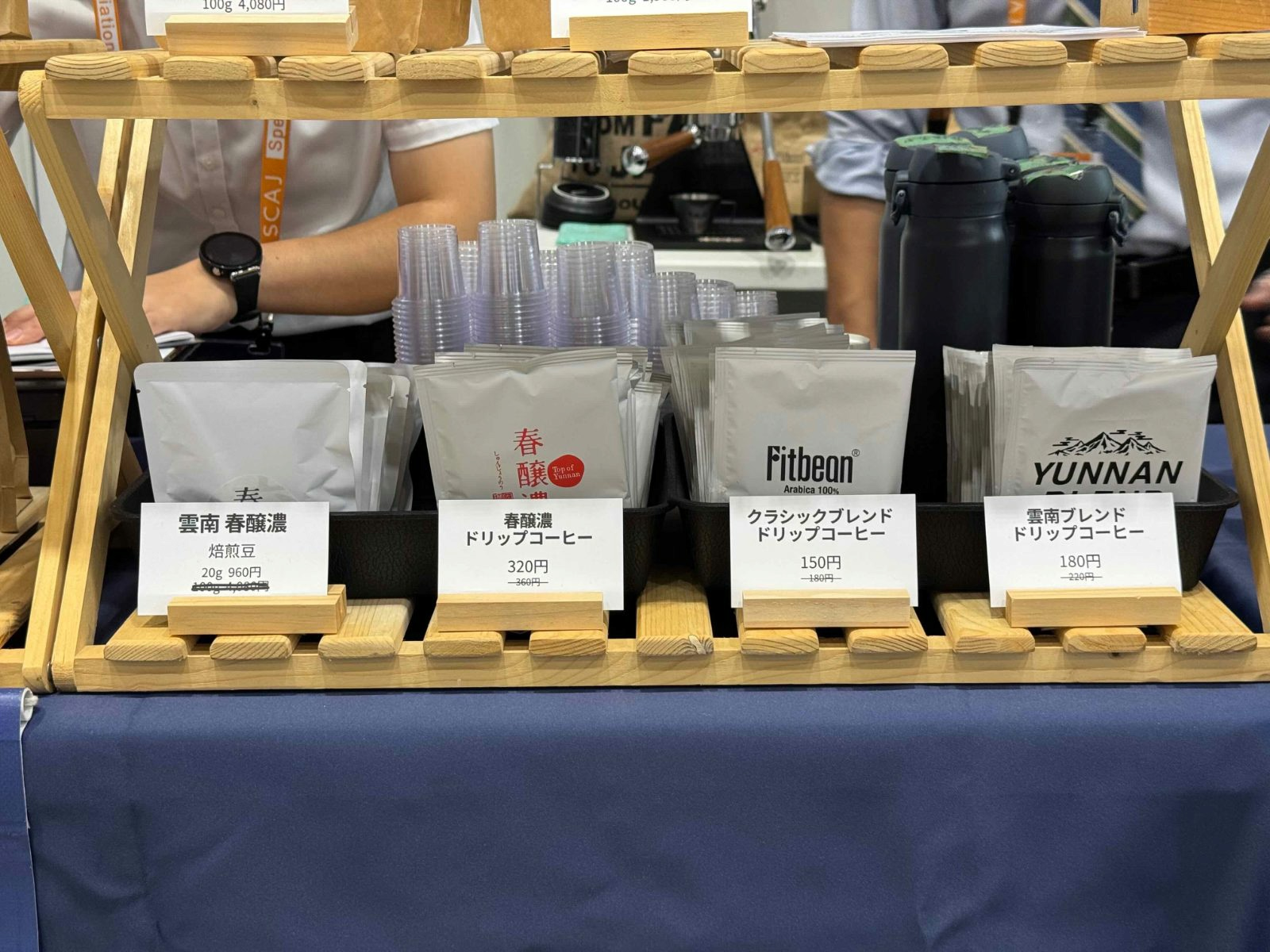
Rokushima: That's right. We're a company that runs its own farm in Yunnan Province, in an area called Dehong. We import directly to Japan and sell the coffee ourselves.
――So the company is Japanese.
Rokushima: Yes.
▼From tea to coffee
――I don't think most people picture coffee being grown in China. How did that come about?
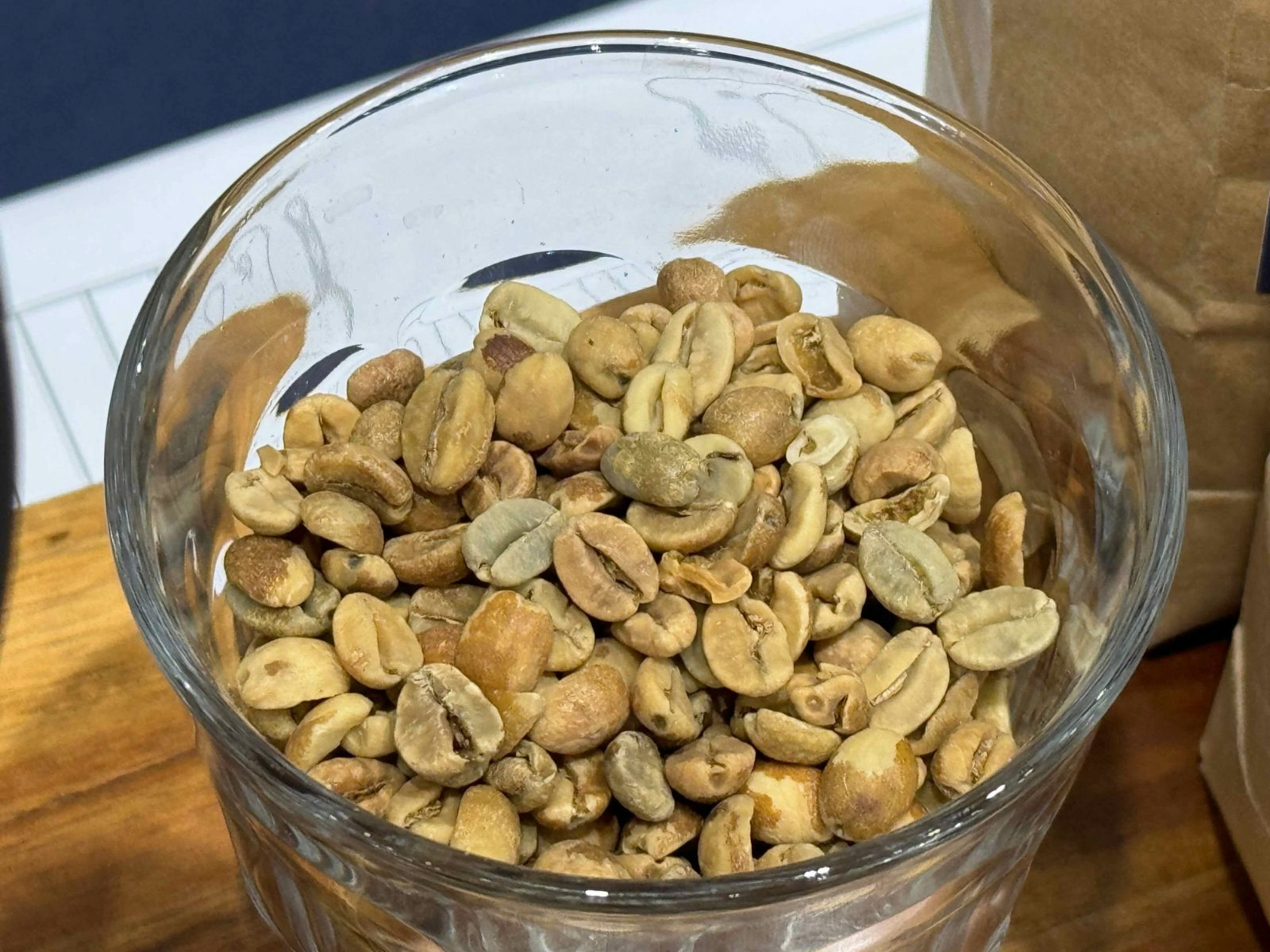
Rokushima: Actually, Yunnan's coffee history is longer than people in Japan think. Production has been growing a lot, too. First of all, it lies within the so-called coffee belt, between 23.5 degrees north and 23.5 degrees south, and it's at high altitude. So it's an area that's very well suited to growing coffee.
Originally, tea and fruit teas were the main crops, but tea farmers converted to coffee farms. I think that's been the general flow.
――So they converted. Not double cropping?
Rokushima: There's double cropping too.
――Did they start because they could grow it?
Rokushima: Yes. Consumption within China itself has also been shifting steadily from tea to coffee.
――Is climate change having an effect?
Rokushima: Our farm isn't really affected much.
▼Fermentation as a strength
――What kind of flavor does it have that's different from other coffees?
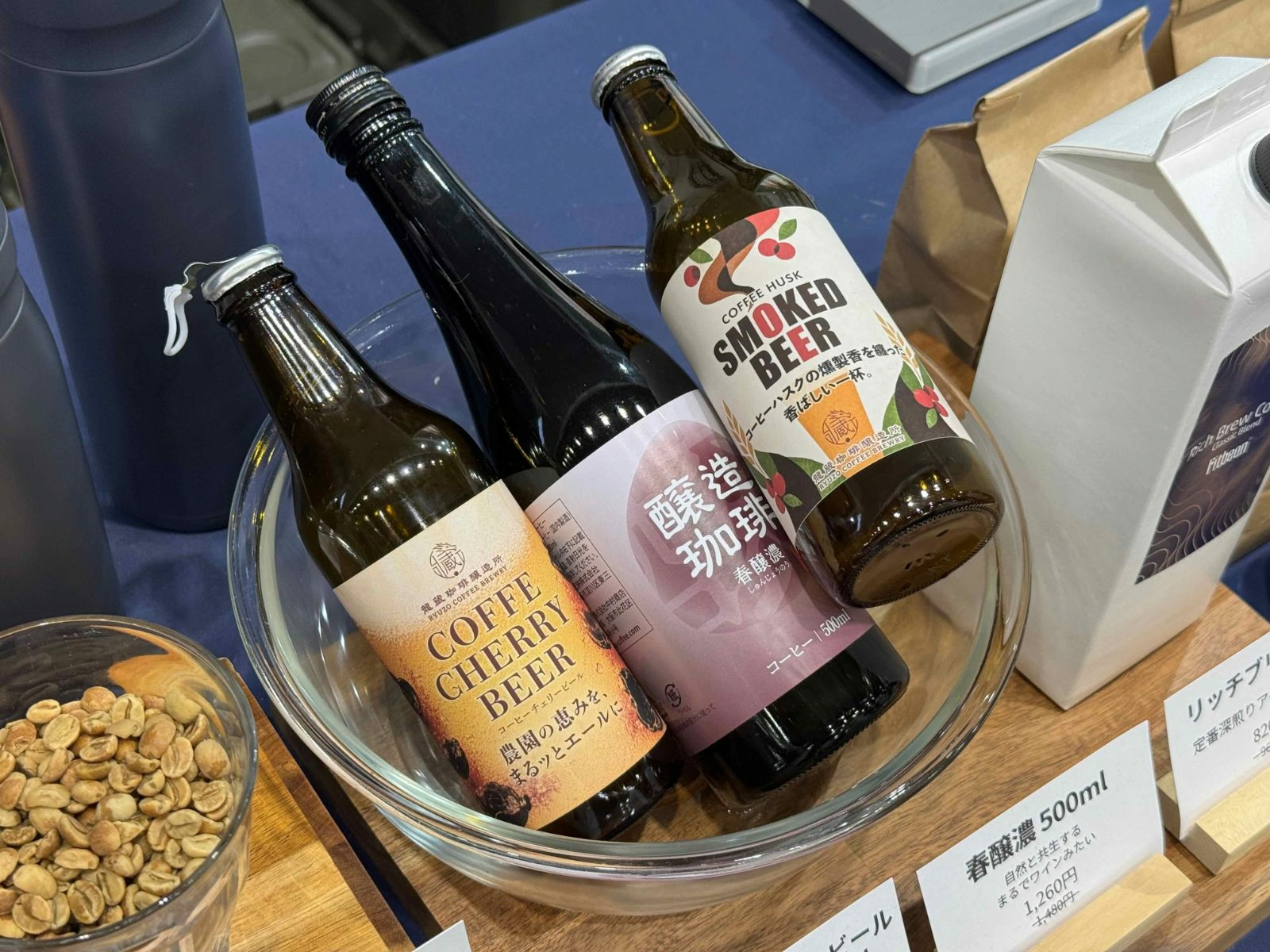
Rokushima: One characteristic of Yunnan is that it's really good at fermentation. Coffee with aromas like whisky or wine. We call it "brewed coffee," and we're good at lightly fermented coffee.
――Did that come from know-how with tea?
Rokushima: Yes. There's a long history and a lot of skill in fermentation, with things like Pu'er tea (a fermented tea from Yunnan). We ferment at the coffee cherry stage (the fruit as harvested), adjusting temperature, humidity, alcohol concentration and so on in units of 0.1 degrees. It's like applying traditional techniques to coffee production.
――What do customers say?
Rokushima: We're often told it's like alcohol, or that it doesn't taste like coffee.
▼Spreading in Japan
――How is it spreading in Japan now?
Rokushima: Well, for example, among customers who know and enjoy specialty coffee with acidity, fruitiness and sweetness from light roasting (a roast stopped early, which tends to bring out acidity and fruitiness), Yunnan coffee has been getting quite a lot of attention lately, partly because the quality has gone up.
――So you're more likely to come across it at shops that handle specialty coffee than at ordinary kissaten.
Rokushima: That's right.
――Thank you very much.
Shop and company information
KOUNOU COFFEE (Kounou Co., Ltd.)
5-2-19 Higashimikuni, Yodogawa-ku, Osaka
https://kounou-coffee.com
GUEST
六嶋颯香さん
KOUNOU COFFEE(宏納株式会社)バリスタ
中国・雲南省のコーヒーは、なぜ「お酒みたい」と言われるのか?
アジア最大のスペシャルティコーヒーの展示会「SCAJ2026」が先日開催されました。今年のテーマは「Brew the Future」。今回は、出展されていた皆さんへのインタビューをお届けします。
今回訪れたのは、大阪・東三国に拠点を置くKOUNOU COFFEE(宏納株式会社)のブースです。バリスタの六嶋颯香さんに、雲南コーヒーの成り立ちと、その独特な風味についてお話を伺いました。
▼雲南省の自社農園
――これは中国のコーヒー豆なんですか。
六嶋:そうです。雲南省で自社農園を経営している会社でして、雲南省の徳宏というエリアで農園をしております。直接日本に仕入れて、自分たちで直接販売しております。
――会社は日本の企業なんですね。
六嶋:はい。
▼お茶からコーヒーへ
――一般の方は、中国でコーヒーが採れるというイメージはないと思うんですが、どういった形で採れるようになっていったんですか。
六嶋:実は、雲南省のコーヒーの歴史は日本の方が思っているより長いんです。生産量もすごく伸びてきています。まず、コーヒーベルトと呼ばれる北緯23.5度から南緯23.5度のエリアに属していて、標高も高いんですね。なので、コーヒー生産に非常に適したエリアなんです。
もともとはお茶、フルーツ茶などの生産が盛んだったんですけど、お茶の農家さんがコーヒー農園に転換されて、というのが流れとしてはあるかなと思います。
――転換されたんですね。二毛作ではなく。
六嶋:二毛作もあります。
――それは、作れるから作り始めたということですか。
六嶋:そうですね。中国国内の消費自体も、お茶からコーヒーにどんどん変わってきているというのはありますね。
――温暖化の影響はありますか。
六嶋:うちの農園は、あまり影響は受けないです。
▼発酵という強み
――他のコーヒーとは違う、どんな味わいになるんですか。
六嶋:雲南省の特徴としては、一つは発酵がすごく得意なんです。ウイスキーやワインのような香りがするフレーバーのコーヒー。うちでは醸造珈琲と呼んでいますけど、ちょっと発酵させたコーヒーが得意です。
――それは、お茶のノウハウから入ってきたものですか。
六嶋:そうです。プーアル茶(雲南省産の発酵茶)など、発酵の歴史と技術がすごくあるので。うちはコーヒーチェリー(収穫したままの果実)の状態で発酵させているんですけど、温度帯や湿度帯、アルコール濃度などを0.1度単位で調整して、昔からの技術をコーヒーの生産に応用しているようなイメージです。
――お客様からはどんな声がありますか。
六嶋:お酒みたい、コーヒーじゃないみたい、と言われることが多いですね。
▼日本での広がり
――日本国内での広まり方は、今どんな感じですか。
六嶋:そうですね。例えば浅煎り(焙煎を浅めに止め、酸味や果実感が出やすい焙煎度合い)で、酸味やフルーティーさ、甘みのあるスペシャルティコーヒーを知っていて、楽しんでいるお客さんには、最近は品質が上がってきたこともあって、雲南コーヒーは割と注目されています。
――では、普通の喫茶店よりも、スペシャルティコーヒーを扱うお店で出会えるということですね。
六嶋:そうですね。
――ありがとうございました。
店舗・企業情報
KOUNOU COFFEE(宏納株式会社)
大阪府大阪市淀川区東三国5-2-19
https://kounou-coffee.com