Hachioji
Dia.Coffee
VisitedTranslated from Japanese
Hachioji is a city in western Tokyo with the largest population in the Tama region.
At the end of the Warring States period, Hojo Ujiteru built a castle on a mountain here and made the deity Hachioji Gongen its guardian, so the castle was called Hachioji Castle. After the castle fell in 1590 and Tokugawa Ieyasu came to the Kanto region, the Koshu Kaido was laid out and the three existing post stations were moved to where they are today. The town was completed in 1593 and later became a post town known as the Fifteen Stations of Hachioji. Markets were held every month on days ending in 4 and 8, and it grew as a town of commerce.
Farmers in the surrounding area grew mulberry, raised silkworms, reeled raw silk from the cocoons and wove it into cloth. Silkworms spin their cocoons in about a month, and selling cocoons brought in money right away, so it was an important income that supported their lives. Silk-farming families sought charms to protect their silkworms from Yakuoin Temple on Mount Takao, and in return they offered cedar saplings. By the early 19th century, the town was already called Soto, "the mulberry capital."
From the end of the Edo period, silk production grew even more, and much of the raw silk produced in Tama, Saitama, Yamanashi and Nagano was gathered in Hachioji and carried to Yokohama. In 1889 the railway reached Hachioji Station. Getting raw silk from Koshu to Tokyo and Yokohama as quickly as possible was a major challenge at the time. The town prospered as a textile town, restaurants where merchants gathered appeared, and a geisha culture was born. Then, just before the end of the war, in the early hours of August 2, 1945, an air raid burned about 80 percent of the city center.
The main avenue that now runs from the north exit of Hachioji Station to the Koshu Kaido was created by the land readjustment that followed. Go through the avenue and you come out on the Koshu Kaido, once a post town. In Nakacho, about a seven-minute walk from the station, there is a facility surrounded by black walls that recalls the old geisha quarter. "The Story of Soto," which ties together silk farming, weaving and faith in Mount Takao, was designated Japan Heritage in 2020, the first in Tokyo.
Today Hachioji has 21 universities and other institutions, and is also a college town where some 90,000 students study. On the Tama Hills spreads Tama New Town, which straddles Hachioji, Machida, Tama and Inagi, and residents began moving in in 1971.
It is a big city, so there are plenty of coffee shops, but when you walk around, chain stores overwhelmingly dominate, and many of the rest are places mainly for food (cafés) that serve coffee on the side.
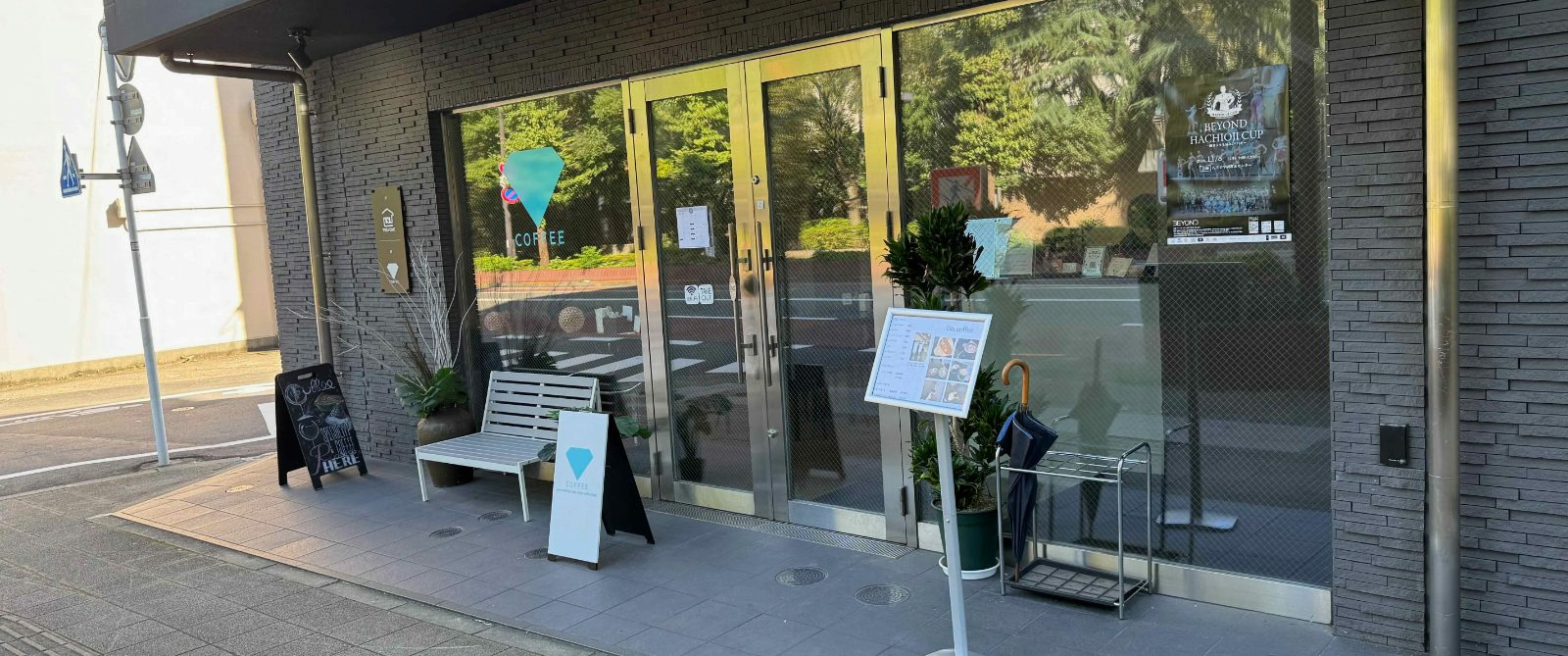
A few minutes' walk from Keio-Hachioji Station, Dia.Coffee sits a little away from that busy downtown.
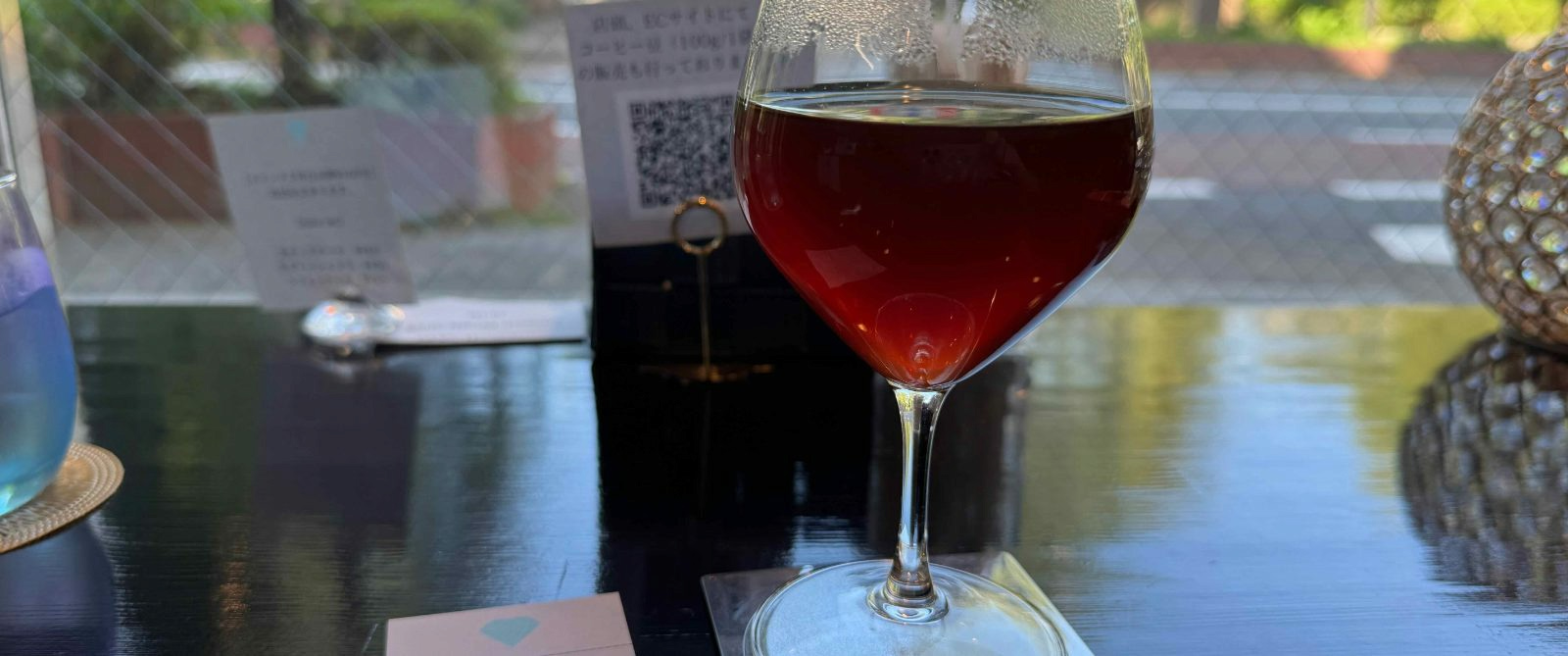
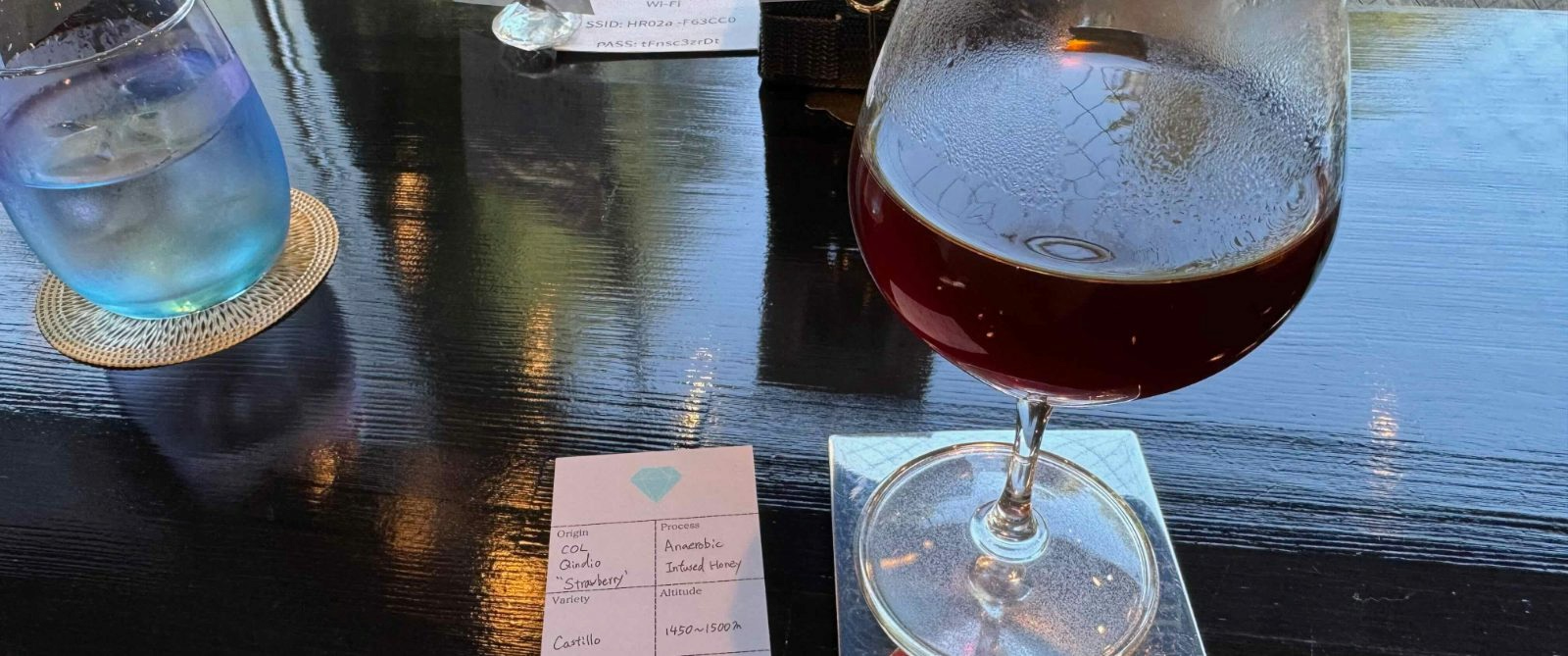
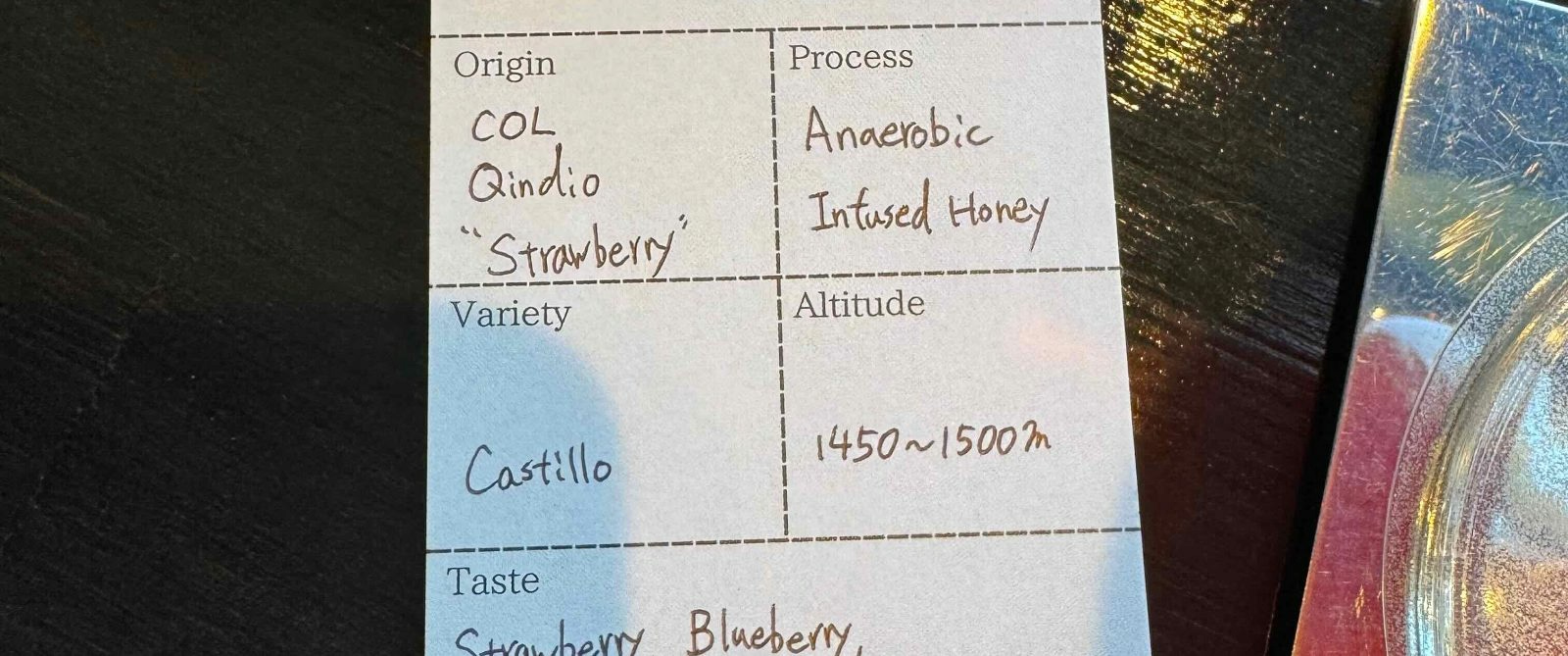
You ask the staff about the beans you like, have them grind the beans they recommend, and drink that coffee. The light-roasted, fruity coffee is really delicious. It comes in a wine glass, so you can drink it sip by sip and relax in the shop with music playing.
八王子は東京の西に位置する多摩地域最大の人口を擁する都市です。
戦国時代の終わり、北条氏照がこの地の山に城を築き、八王子権現を城の守り神としたことから、城は八王子城と呼ばれました。1590年にこの城が落ち、徳川家康が関東に入ると、甲州街道が整えられ、それまでの三つの宿が今の場所に移されました。1593年に町ができあがり、のちに八王子十五宿と呼ばれる宿場町になりました。毎月4のつく日と8のつく日には市が立ち、商いの町として大きくなりました。
まわりの農家は桑を育て、蚕を飼い、繭から生糸をとって絹を織っていました。蚕は1か月ほどで繭をつくり、繭を売ればすぐにお金になるので、暮らしを支える大事な収入でした。養蚕農家は蚕を守る護符を高尾山薬王院に求め、そのお礼に杉の苗木を納めました。19世紀のはじめには、この街はすでに桑都と呼ばれていました。
幕末からは生糸づくりがさらに盛んになり、多摩や埼玉、山梨、長野でとれた生糸の多くが八王子に集められ、横浜へ運ばれました。1889年には八王子駅まで鉄道が通りました。甲州でとれる生糸をいち早く東京や横浜へ運ぶことが、当時の大きな課題でした。街は織物のまちとして栄え、商人たちが集まる料亭ができ、芸者の文化が生まれました。そして終戦の直前、1945年8月2日の未明に空襲があり、市街地のおよそ八割が焼けました。
いまの八王子駅の北口から甲州街道まで延びる大通りは、そのあとの区画整理でできた道です。大通りを抜けると、かつて宿場町だった甲州街道に出ます。駅から歩いて7分ほどの中町には、黒い塀に囲まれた、昔の花街を思わせる施設があります。養蚕と織物、高尾山への信仰をひとつながりにした「桑都物語」は、2020年に東京都で初めて日本遺産に認定されました。
現在の八王子には21の大学などがあり、9万人ほどの学生が学ぶ学園都市でもあります。多摩丘陵には、八王子、町田、多摩、稲城にまたがる多摩ニュータウンが広がり、1971年に入居が始まりました。
大きな都市ですので、コーヒー屋さんもたくさんあるのですが、歩いてみるとチェーン店が圧倒的に多く、あとは食事(カフェ)がメインで、ついでにコーヒーを出しているところが多くあります。
京王八王子駅から徒歩数分。Dia.Coffeeは、そうした繁華街から少し離れたところにあります。
好みの豆について、お店の方に聞きながら、おすすめの豆を挽いてもらい、そのコーヒーをいただきます。浅煎りのフルーティーな味わいのコーヒーはすごく美味しい。ワイングラスで出てくるので、一口一口丁寧に飲みながら、音楽が流れる店内で、ゆっくり過ごすことができます。
Sources
文春オンライン「都心から約1時間…JR中央線&京王線“東京でいちばん人口が多い市の駅”「八王子」には何がある?」 https://bunshun.jp/articles/-/66896 2026-11-06
このまちアーカイブス 八王子 INDEX https://smtrc.jp/town-archives/city/hachioji/index.html 2026-11-06
和樂web「シルクロードは日本にもあった!近代日本を支えた「お蚕様」を訪ねて八王子と横浜へ」 https://intojapanwaraku.com/culture/188756/ 2026-11-06
GOOD LUCK TRIP「日本遺産「桑都物語」の魅力を満喫!高尾山1泊2日モデルコース」 https://www.gltjp.com/ja/article/item/20903/ 2026-11-06
乗りものニュース「中央線だけじゃない 横浜線の長~い直線区間できたワケ 橋本~町田で「何かを避けた」?」 https://trafficnews.jp/post/111497/3 2026-11-06
旅する鉄道 tabi-mag「普通鉄道として日本初の電車運転は、飯田町駅〜中野駅!」 https://tabi-mag.jp/koubu-m37/ 2026-11-06
このまちアーカイブス 八王子「戦後の復興と発展」 https://smtrc.jp/town-archives/city/hachioji/p07.html?id=a03 2026-11-06
GOOD LUCK TRIP「桑都テラス」 https://www.gltjp.com/ja/directory/item/15692/ 2026-11-06
LIVE JAPAN「大自然あふれる「高尾山」の楽しみ方」 https://livejapan.com/ja/in-tokyo/in-pref-tokyo/in-mount_takao/article-a0003387/ 2026-11-06
生活ガイド.com「八王子市:統計データ」 https://www.seikatsu-guide.com/info/13/13201/1/ 2026-11-06
東京都都市整備局「07 多摩ニュータウン建設」 https://www.toshiseibi.metro.tokyo.lg.jp/keikaku_chousa_singikai/pdf/tokyotoshizukuri/3_07.pdf 2026-11-06
About the shopChecked on a visit
- Brewing
- Pour-over
- Roasting
- —
- Seating
- Yes
- Beans for sale
- Yes
- Closed
- —
Where this information comes from
- Status
- Visited
- Source
- Recorded on a visit
Beans on offerNot enough records yet
0 records so far. Once there are 8 or more, spread over at least 3 different days, the share of origins and processes will appear here. Until then, nothing is shown.
Location
甲州街道八王子市明神町四丁目Open in a map app